
Currency in Brazil: A Practical Guide for International Travelers
When planning a trip to Brazil, understanding the local currency is key to managing your expenses and avoiding unnecessary stress.
Whether you're heading to Rio de Janeiro, Salvador, or the beaches of the Northeast, knowing how to handle Brazilian money will help you travel smarter.
Here’s everything you need to know about Brazil’s currency, exchange rates, cash, cards, and payment tips for tourists from the U.S., Canada, the U.K., and Australia.
What Is the Currency in Brazil?
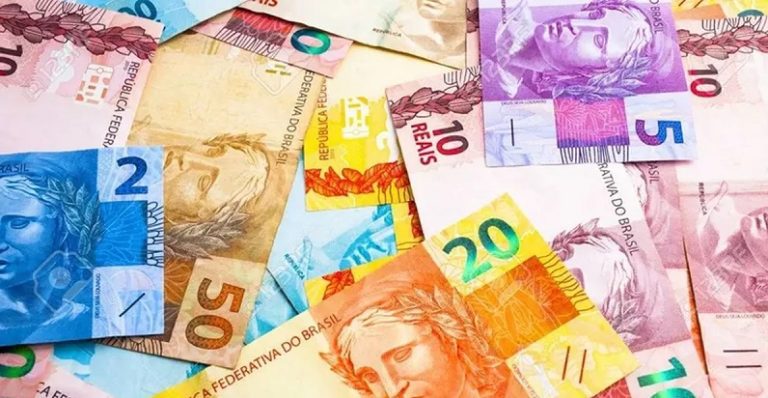
Brazil’s official currency is the Brazilian Real, abbreviated as BRL, and commonly represented with the symbol R$.
The plural form of “real” is reais (pronounced “hey-ice”).
- Banknotes: R$2, R$5, R$10, R$20, R$50, R$100, and R$200
- Coins: R$1, and centavos of 5, 10, 25, and 50
Most tourist transactions involve R$10, R$20, R$50, and R$100 notes. Smaller denominations are useful for street food, beach vendors, or public transportation.
Current Exchange Rate (Approximate)
Exchange rates fluctuate, but as of early 2025, the rate typically hovers around:
- 1 USD = 4.8 to 5.2 BRL
- 1 GBP = 6.0 to 6.5 BRL
- 1 CAD = 3.5 to 3.9 BRL
- 1 AUD = 3.2 to 3.6 BRL
Check with your bank or a reliable currency app for real-time rates before exchanging money.
Should You Bring Cash or Use Cards?
Cards Are Widely Accepted
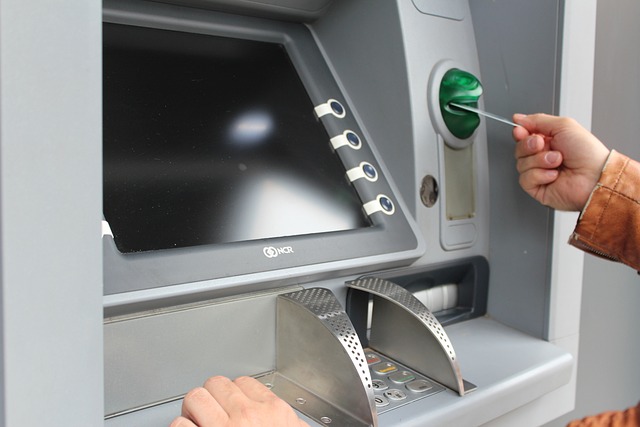
Credit and debit cards (Visa and Mastercard, especially) are accepted in most hotels, restaurants, shopping malls, and even many taxis and beach kiosks. Contactless payment is becoming more common, especially in large cities.
Tips:
- Always inform your bank of your travel dates to avoid card blocks.
- Some smaller towns and street vendors may prefer cash.
- International cards may not always work at unattended machines (like gas stations or parking meters).
Cash Is Still Useful
Having some cash in reais is strongly recommended for:
- Tipping
- Beach vendors and markets
- Small cafés and bars
- Local buses and ferries
- Souvenir stalls
It’s smart to carry smaller denominations and avoid flashing large bills in public.
Where to Exchange Money in Brazil?
- Airport exchange kiosks are convenient but usually offer the worst rates.
- Currency exchange offices (casas de câmbio) in city centers and tourist areas offer better rates and are safe to use.
- ATMs (caixas eletrônicos) are another common way to get reais. Use machines inside banks or shopping centers for better security. Be aware that some ATMs only work during business hours or have limited functionality for foreign cards.
Note: Always avoid exchanging money on the street or with individuals, as scams are common.
Can You Pay in U.S. Dollars or Euros?
No. Brazil is not dollarized, and foreign currencies are generally not accepted in stores, restaurants, or hotels. Always use the local currency — Brazilian reais — for transactions.
Tipping and Service Charges
- Most restaurants include a 10% service charge on the bill, already calculated. You’re not required to tip beyond that unless service was exceptional.
- Tipping taxi drivers isn’t required, but rounding up the fare is appreciated.
- Hotel staff and tour guides often appreciate small tips in reais.
Helpful Tips for Tourists
- Avoid carrying large amounts of cash, especially at night or on public transportation.
- Use digital wallets or payment apps (like Apple Pay or Google Pay) where available.
- Keep some backup cash in case of card issues or emergencies.
- Currency converter apps are handy for real-time conversions.
Brazil is increasingly card-friendly, but having a mix of cash and cards is the best strategy. Exchange some reais before or upon arrival, and be cautious about where and how you carry your money.
Understanding how Brazil’s currency works will help you enjoy your trip with confidence — from buying fresh coconut water on the beach to shopping for local crafts in the market.