
Fernando de Noronha Travel Guide
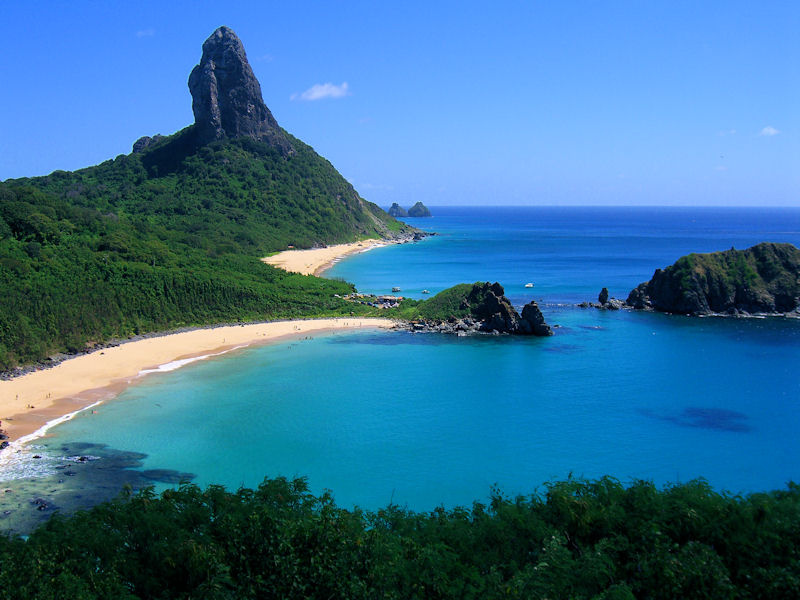
Fernando de Noronha is not just a destination — it’s a dream come true for nature lovers and beach seekers.
Located about 350 kilometers off the northeastern coast of Brazil, this volcanic archipelago is a protected UNESCO World Heritage Site known for its crystal-clear waters, dramatic coastlines, and incredible biodiversity.
If you're traveling from the U.S., the U.K., Canada, or Australia and looking for a place that feels truly untouched, Noronha offers an unforgettable mix of adventure and tranquility.
Where Is Fernando de Noronha?
Fernando de Noronha is an archipelago located about 354 kilometers (220 miles) off the northeastern coast of Brazil.
It belongs to the state of Pernambuco, although geographically, it lies closer to Natal and Recife.
Accessible by plane from both cities, this remote island is a UNESCO World Heritage Site and a marine sanctuary, making it a dream destination for nature lovers and eco-tourists.
Why Visit Fernando de Noronha?

Unlike any other beach destination in Brazil, Fernando de Noronha offers something rare: seclusion, preservation, and a strong environmental ethos.
Tourism is highly controlled to protect the island's fragile ecosystem, which means fewer crowds and pristine conditions.
Expect world-class diving, wildlife encounters (like sea turtles, spinner dolphins, and reef sharks), and sunsets that feel surreal.
The archipelago’s crystal-clear waters offer visibility of up to 50 meters, ideal for snorkeling and diving.
With limited lodging and daily visitor caps, it’s not a budget destination — but for those seeking something extraordinary, it’s worth every cent.
The Climate of Fernando de Noronha
Fernando de Noronha has a tropical climate, with temperatures ranging from 25°C to 30°C (77°F to 86°F) year-round. There are two distinct seasons:
- Dry season (August to February): Ideal for beach days, hiking, and stunning visibility for diving.
- Rainy season (March to July): Expect occasional tropical showers, especially in April and May, though they usually don’t last all day.
If you’re into surfing, the best waves arrive between December and March, especially on beaches facing west.
The Beaches of Fernando de Noronha

Fernando de Noronha is home to some of Brazil’s most breathtaking and untouched beaches.
Each one offers a unique blend of natural beauty, seclusion, and opportunities for adventure. Here are the main highlights:
-
Baía do Sancho – Often ranked as the best beach in Brazil — and even the world — Sancho Bay is a true wonder. It’s hidden between cliffs and only accessible by descending a vertical staircase through rock crevices. Once you reach the sand, you’re greeted by calm, crystal-clear waters perfect for snorkeling. Colorful fish, sea turtles, and even small reef sharks glide through the reef just meters from shore. During the right season, you might even see dolphins pass by in the distance.
-
Baía dos Porcos – Just a short walk from Sancho, Baía dos Porcos is smaller but no less spectacular. Its natural pools, formed by volcanic rocks at low tide, are filled with warm, transparent water and teeming with marine life. The view of the iconic Dois Irmãos rock formations in the background creates a picture-perfect setting. It’s not a swimming beach due to the rocks, but it’s ideal for relaxing, photography, and watching the tide pools come alive.
-
Praia do Leão – One of the wildest and most spacious beaches on the island, Praia do Leão is a nesting site for sea turtles, especially between December and June. Its strong waves and remote vibe make it less ideal for swimming, but perfect for long walks, solitude, and feeling connected to nature. The blue of the ocean here is incredibly intense, and the views from the cliffs above are unforgettable.
-
Praia da Cacimba do Padre – Known as the island’s surf spot, this beach is wide and powerful, with some of the best waves in Brazil during the summer swells (December to March). Even when the sea is calm, the beach remains impressive — the sand is soft, the water is clear, and the dramatic backdrop of the Dois Irmãos rocks adds to its beauty. It’s a great place to watch surfers, enjoy a sunset, or simply relax away from the crowds.
-
Conceição Beach – One of the most accessible and social beaches on the island, Conceição is located near the main village and is great for those wanting to enjoy a relaxed swim or sip a drink at a beach bar. It’s especially popular in the late afternoon, when locals and visitors gather to enjoy the sunset with a caipirinha in hand. The impressive Morro do Pico looms nearby, creating a majestic natural frame to the beach.
What to Do in Fernando de Noronha
- Snorkeling and Diving – With abundant marine life and protected reefs, Noronha is Brazil’s diving capital. Top spots include Pedras Secas and Laje Dois Irmãos.
- Watch Spinner Dolphins at Baía dos Golfinhos – Wake up early to see hundreds of dolphins playing in the bay at sunrise — an unforgettable sight.
- Boat Tours – Many operators offer half-day or full-day excursions around the island, with stops for swimming and dolphin-watching.
- Hiking Trails – Explore trails through lush vegetation leading to hidden viewpoints, tide pools, and beaches. Some require booking with a guide.
- Project Tamar – Learn about sea turtle conservation at this important research center with nightly talks and occasional turtle hatchling releases.
Where to Stay in Fernando de Noronha
Most accommodations are small inns (called “pousadas”), with a few luxury eco-hotels.
- Pousada Maravilha – High-end option with infinity pool, gourmet cuisine, and incredible views.
- Pousada Zé Maria – A favorite for celebrities, offering comfort and a renowned restaurant.
- Pousada do Vale – Cozy, sustainable, and located in lush surroundings near the village.
Keep in mind: book well in advance, especially during Brazilian holidays.
Where to Eat on the Island
Despite its remote location, Noronha has excellent food with a tropical twist.
- Xica da Silva – Creative Brazilian dishes with fresh seafood and great ambiance.
- O Pico – A trendy spot for drinks and fusion cuisine.
- Mergulhão – Overlooks the ocean, offering stunning sunset dinners with gourmet dishes.
Don’t forget to try tapioca, fresh fruit juices, and local fish like mullet and snapper.
Sustainability and Fees
Because Fernando de Noronha is a protected area, visitors must pay two main fees:
- Environmental Preservation Fee (TPA): Charged per day of stay.
- Marine Park Access Fee: Required if you plan to visit beaches inside the national park, such as Sancho and Porcos.
Both can be paid online in advance or at the island's airport.
Tourism here is deeply tied to preserving the environment, so travelers are expected to respect guidelines, avoid plastic waste, and stay on marked trails.
Fernando de Noronha isn’t your average beach vacation — it’s a rare blend of natural wonder, exclusivity, and serenity.
Every beach feels untouched, every underwater dive feels sacred, and every sunset seems designed just for you.
For travelers seeking a deeper connection with nature, adventure, and the sea, this island paradise is simply unforgettable.