
Rio de Janeiro Travel Guide

If you're dreaming of a destination where golden beaches meet towering mountains, where samba rhythms echo through the streets, and where vibrant culture is woven into everyday life — Rio de Janeiro is the place to be.

This legendary city captures the imagination of travelers from around the globe, offering a sensory-rich escape unlike any other.
For visitors coming from faraway places like the U.S., Canada, Australia, or the U.K., Rio is a gateway to a new world of beauty, flavor, and adventure.
Why Visit Rio de Janeiro?
Few cities in the world can match the magnetic energy, natural beauty, and cultural richness of Rio de Janeiro.
Known as the "Marvelous City" (Cidade Maravilhosa), Rio is not just a place — it's an experience.
From the golden sands of Copacabana and Ipanema to the towering Christ the Redeemer statue, Rio offers a unique mix of vibrant city life and stunning coastal scenery.
Whether you're planning your first trip to Brazil or you're a seasoned traveler looking for a new adventure, Rio de Janeiro promises unforgettable moments filled with music, sun, and breathtaking views.
Location & How to Get There
Rio de Janeiro is located in southeastern Brazil, along the Atlantic coast. It is one of the most accessible destinations in the country, with Galeão International Airport (GIG) offering direct flights from major cities like New York, Miami, Toronto, London, and Lisbon.
Once in the city, transportation is easy via taxis, ride-sharing apps, metro, and buses.
Most tourists stay in neighborhoods like Copacabana, Ipanema, or Leblon, which are well-connected and close to the beach.
Best Time to Visit / Weather
Rio enjoys a tropical climate with warm temperatures year-round. Here's a breakdown of when to visit:
- December to March (Summer): Hot, lively, and perfect for beach lovers. Also the time of Carnival.
- April to June (Autumn): Warm with fewer crowds and occasional rain.
- July to September (Winter): Cooler, drier weather, great for sightseeing.
- October to November (Spring): Warm and sunny, ideal for both beach and exploration.
Avoid national holidays and Carnival week if you want to steer clear of crowds and high prices.
Top Beaches in Rio de Janeiro
Copacabana Beach
Perhaps the most famous beach in the world. Iconic black-and-white mosaic sidewalks, volleyball courts, kiosks with caipirinhas, and a bustling promenade.
Ipanema Beach
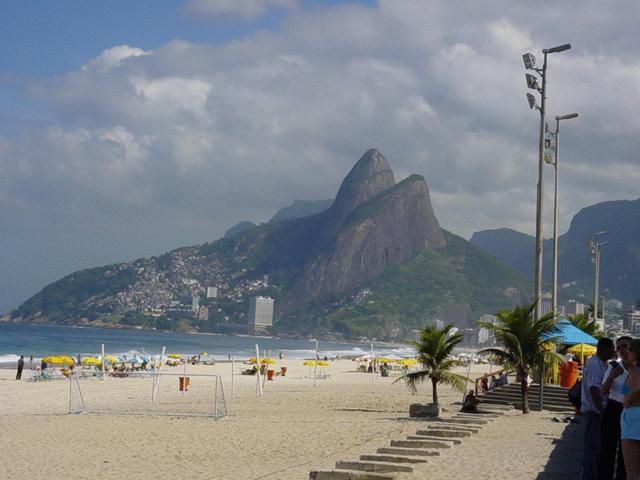
Trendy and stylish, Ipanema is known for its beautiful people, stunning sunsets at "Posto 9," and strong surf. Safe, lively, and perfect for both sunbathing and people-watching.
More information: Ipanema Beach.
Leblon Beach

An upscale extension of Ipanema. Less crowded and more family-friendly. Offers great views of the "Two Brothers" (Dois Irmãos) mountains.
Barra da Tijuca
Long and spacious, ideal for surfing and outdoor sports. Quieter than the central beaches, and a favorite among locals.
Things to Do in Rio
- Christ the Redeemer (Cristo Redentor) – One of the New Seven Wonders of the World, this colossal statue atop Corcovado Mountain offers panoramic views of the entire city and Guanabara Bay. Visit early in the day or at sunset for fewer crowds and stunning photos.
- Sugarloaf Mountain (Pão de Açúcar) – Ride the cable cars to the summit for one of the most iconic views in Brazil. Watching the sunset from Sugarloaf is a must for photographers and romantics alike.

- Selarón Steps (Escadaria Selarón) – This vibrant, colorful staircase connects the Lapa and Santa Teresa neighborhoods and is adorned with over 2,000 tiles from around the world. A true artistic landmark created by Chilean artist Jorge Selarón.
- Santa Teresa – A bohemian hilltop district full of colonial mansions, cobblestone streets, art studios, and cozy cafés. A great place to soak in Rio's creative spirit and enjoy authentic Brazilian cuisine.
- Lapa Arches & Nightlife – Famous for its iconic aqueduct and electrifying nightlife, Lapa comes alive on Friday and Saturday nights. Dance to samba in traditional clubs or enjoy live music on the streets.
- Tijuca National Park – The largest urban rainforest in the world, this natural sanctuary is home to exotic birds, monkeys, waterfalls, and hiking trails. Don't miss the trail to Pedra Bonita for an awe-inspiring view.
- Rio Carnival – Held every February or March, Carnival in Rio is the world’s biggest party. The city transforms into a spectacle of music, color, dance, and joy. Watch the famous samba school parades at the Sambadrome, or join the street parties (blocos) across the city. It’s a once-in-a-lifetime experience filled with cultural passion and energy.

What to Visit Nearby
- Ilha Grande – A few hours from Rio, this island paradise is perfect for hiking, snorkeling, and relaxing.
- Petrópolis – A mountain town with imperial history, great for a day trip.
- Niterói – Just across the bay, with amazing viewpoints and the futuristic Museum of Contemporary Art.
Where to Stay
- Copacabana – Affordable, central, and full of life.
- Ipanema – Mid to high-end hotels, safe and chic.
- Leblon – Quiet, elegant, and upscale.
- Santa Teresa – Boutique hotels with charm and character.
Recommended hotels:
- Hotel Fasano Rio de Janeiro (Luxury)
- Arena Ipanema Hotel (Mid-range)
- Selina Lapa Rio de Janeiro (Budget-friendly with style)
Best Restaurants & Food
- Aprazível – Fine dining with jungle views in Santa Teresa.
- Zaza Bistrô Tropical – Creative fusion in Ipanema.
- Bar do Mineiro – Feijoada and local classics.
- Confeitaria Colombo – Historic café with colonial charm.
Must-try dishes:
- Feijoada (black bean stew)
- Picanha (grilled beef)
- Moqueca (seafood stew)
- Açaí bowls and tropical fruits
Shopping & Local Products
- Rio Sul Shopping – Large mall with international brands.
- Feira de Ipanema (Hippie Fair) – Sundays only; crafts, art, clothing.
- Saara Market – A maze of budget shopping in downtown Rio.
Great souvenirs include:
- Havaianas sandals
- Brazilian coffee
- Handmade jewelry
- Local art and music
Tips for Travelers
- Use sunscreen and stay hydrated.
- Avoid wearing flashy items to reduce risk of theft.
- Learn a few Portuguese phrases – it goes a long way.
- Be cautious in unfamiliar neighborhoods, especially at night.
- Tap water isn’t recommended — drink bottled.
Frequently Asked Questions
Is Rio de Janeiro safe for tourists? Yes, but use common sense. Stick to tourist-friendly areas, avoid walking alone at night, and use trusted transport.
How many days should I stay in Rio? Ideally 4 to 6 days to fully enjoy the city and nearby attractions.
Do people speak English? In tourist areas, yes — but knowing a few words in Portuguese helps a lot.
Is it expensive? It depends on your choices. You can enjoy Rio on a backpacker budget or in full luxury.
Rio de Janeiro is much more than postcard views — it’s a city that pulses with life, rhythm, and warmth.
For travelers from the U.S., Canada, Australia, or the U.K., it offers an exotic escape that combines beaches, culture, and adventure in perfect harmony.