
Ilhabela Travel Guide
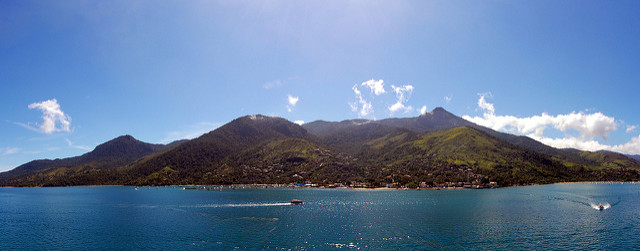
Ilhabela, which literally means “beautiful island” in Portuguese, lives up to its name in every possible way.
Located on Brazil’s southeastern coast in the state of São Paulo, this island paradise is known for its lush Atlantic rainforest, cascading waterfalls, charming colonial center, and a string of untouched beaches that stretch along its rugged coastline.
Unlike more crowded beach destinations, Ilhabela feels like a natural sanctuary — a place where you can hike through dense jungle trails in the morning and dive into crystalline waters by afternoon.
With a unique blend of adventure, nature, and culture, Ilhabela offers a truly magical escape for those looking to disconnect and reconnect with the beauty of Brazil.
Where Is Ilhabela Located?
Ilhabela is located about 210 kilometers (130 miles) from São Paulo city, and it sits just off the mainland coast of São Sebastião.
To get there, travelers drive to São Sebastião and then take a short 15-minute ferry ride across the channel.
The ferry runs frequently and carries both passengers and vehicles, making access to the island relatively easy.
Despite its proximity to big cities, Ilhabela feels worlds away — a tropical retreat with a tranquil rhythm.
What Makes Ilhabela Special?
What makes Ilhabela so special is its rich natural landscape, combined with a deep sense of preservation.
Over 80% of the island is protected as part of Ilhabela State Park, home to rare species of birds, monkeys, and exotic plants.
Its interior is crisscrossed by hiking trails leading to spectacular waterfalls, while its coastline boasts more than 40 beaches, each with its own character.
Ilhabela is also a haven for sailors and divers, thanks to its deep blue waters and strategic location.
The island regularly hosts international sailing events and offers some of the best diving spots in the region, with shipwrecks, reefs, and marine life waiting to be explored.
The town itself adds charm with its cobbled streets, colorful buildings, and vibrant local culture.
At night, restaurants and bars fill with live music and laughter, giving Ilhabela a warm, welcoming atmosphere.
The Climate in Ilhabela
Ilhabela enjoys a tropical climate with warm temperatures year-round. Average highs range from 25°C to 32°C (77°F to 89°F), making it ideal for beachgoers and nature lovers alike.
The dry season runs from May to September, while the rainy season peaks between December and March.
Although the island is beautiful year-round, the best time to visit is during the dry months, when the waterfalls are still flowing but the trails and beaches are easier to explore.
Tip: Ilhabela is known for its tiny borrachudo (sandflies), especially in forested and humid areas. Bring strong insect repellent — it’s essential for enjoying your trip comfortably.
The Beaches of Ilhabela
With over 40 beaches to choose from, Ilhabela offers everything from lively, social shores to completely secluded stretches of sand. Here are some of the most notable ones:
Praia do Curral

One of Ilhabela’s most popular beaches, Praia do Curral is lively and ideal for those looking for a bit of action.
With beach clubs, live music, and water sports, it's perfect for couples and friends.
The sunset views are also spectacular, drawing crowds in the late afternoon.
Praia do Julião
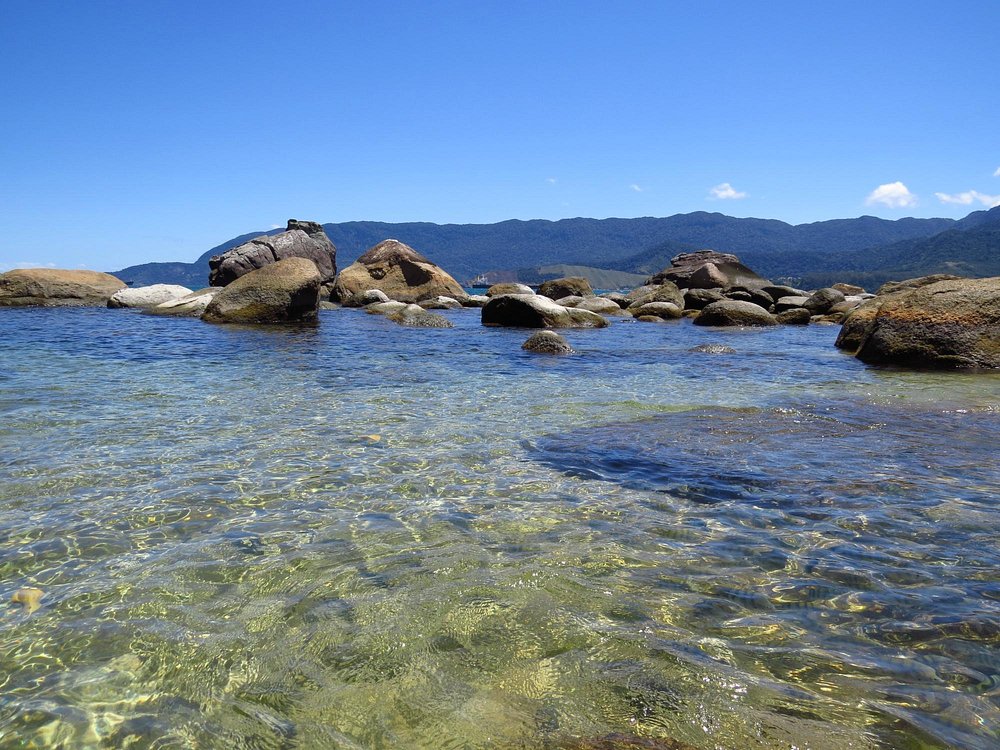
Smaller and more intimate, Julião is a favorite among families and those seeking a peaceful swim.
The beach has calm, clear water, natural rock formations, and is surrounded by lush greenery.
It’s a great spot for snorkeling and relaxing under the shade.
Praia da Feiticeira

This beach combines beauty and mystery — its name means “sorceress beach,” and it’s famous for its tranquil atmosphere and the nearby Feiticeira Waterfall, which can be reached by a short hike.
The beach has golden sand and crystal waters, and is perfect for a calm afternoon escape.
Praia de Castelhanos
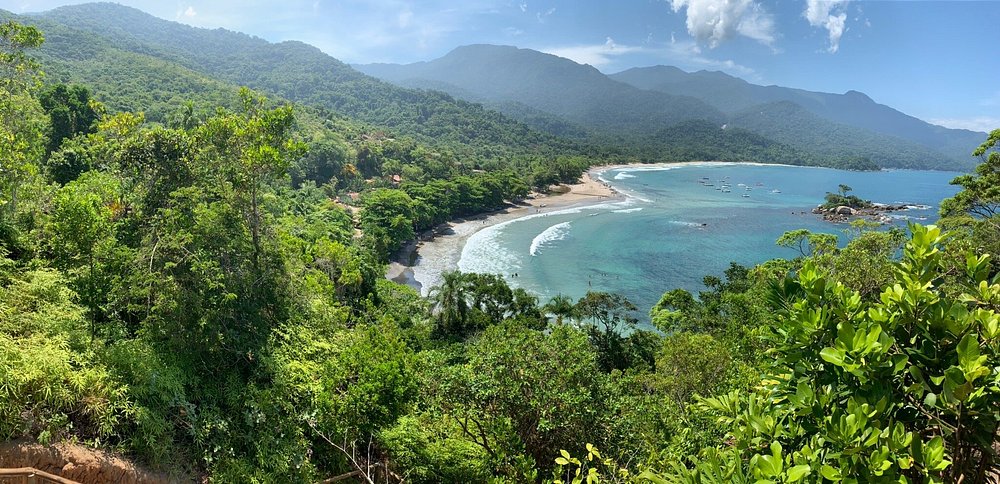
Only accessible by 4x4 vehicles or a scenic hiking trail, Castelhanos is a wild, unspoiled beach on the island’s eastern side.
It’s one of the largest beaches on Ilhabela and faces the open ocean, making it popular with surfers and adventurers. Its remote beauty makes it well worth the journey.
Praia do Bonete
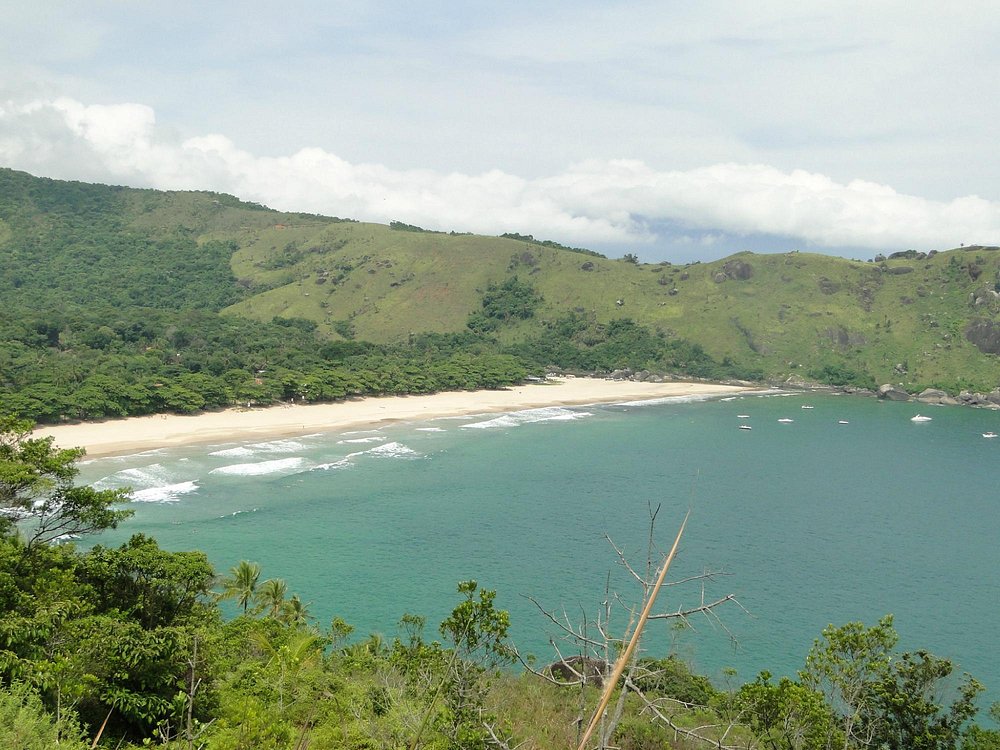
Often ranked among Brazil’s most beautiful beaches, Bonete is reachable via a 12 km trail through the Atlantic Forest or by boat.
It’s home to a small traditional fishing community and offers a pristine setting for nature lovers and trekkers.
There’s no luxury here — just raw beauty and peace.
Praia da Armação
Located in the island’s northern area, this beach is ideal for kayaking, stand-up paddleboarding, and enjoying quiet moments.
A picturesque church and palm trees complete the postcard-perfect view.
It’s a peaceful beach with calm waters and a strong local charm.
Praia do Viana
A smaller beach with soft sand and crystal-clear waters, Viana is great for a relaxing swim and sunbathing.
The beach has a small restaurant and is easily accessible, yet it feels removed from the busier spots on the island.
Who Is Ilhabela Ideal For?
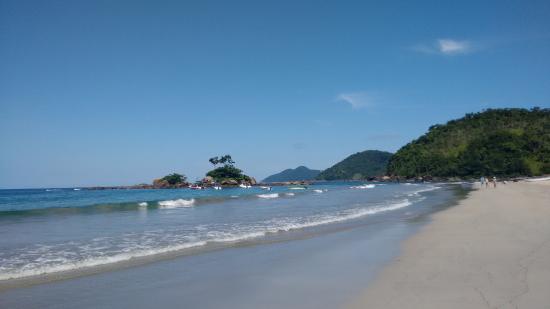
Ilhabela suits a wide range of travelers:
- Adventure seekers who love hiking, diving, or exploring waterfalls and wild beaches.
- Nature lovers who want to immerse themselves in tropical forest and marine life.
- Couples looking for a romantic escape with stunning views and cozy inns.
- Families searching for safe, calm beaches and outdoor fun.
- Sailors and water sports enthusiasts drawn to world-class conditions.
Whether you're hiking through the rainforest or sipping a caipirinha by the beach, Ilhabela offers an unforgettable blend of nature and leisure.
Final Tips Before Visiting
- Renting a car or buggy is useful if you want to explore more remote beaches.
- Bring cash, as some places may not accept cards.
- Use eco-friendly repellent to protect yourself and the island’s environment.
- If visiting remote beaches like Bonete or Castelhanos, plan ahead and bring water, snacks, and essentials.
- Take your time — Ilhabela is best enjoyed slowly, one beach and trail at a time.